
Why Music Education is No Longer Optional
If we walk into almost any 4th or 5th-grade classroom today, the first thing we’ll notice isn’t the smell of crayons—it’s the quiet, blue glow of screens. Many of our children are handed personal iPads at school right around that age. While schools take immense pride in being “digitally advanced,” it makes us wonder: why do we assume children who are still learning self-control are ready for devices designed by the world’s smartest engineers to be addictive?
I’ll be the first to admit: I’ve been there. I gave my son a screen before he was two. Back then, Baby Einstein was the “it” thing, and honestly? I was just tired. If I had known then what the long-term consequences of that constant stimulation would be, I would have fought harder. We don’t necessarily have to go “cold turkey,” but simply pausing to rethink it before we hand over the device is a start.
In his book The Anxious Generation, social psychologist Jonathan Haidt points out a bizarre paradox. We’ve become hyper-protective of our kids in the physical world, yet we’ve left them totally under-protected in the virtual one, where the dangers to their mental health are far more imminent.
We see the fallout every day: shrinking attention spans and a “fragmented” way of existing. Between notifications and the immediate dopamine hits that social media/YouTube shorts/instant messaging provide, our kids are losing the ability to engage in deep thought. This is why I’ve come to believe that music education—specifically learning to play an instrument—is no longer a “nice-to-have” elective. It is a developmental necessity.
Think about exercise. Years ago, humans moved naturally. Today, we sit so much that exercise is a requirement for physical longevity. It doesn’t matter if we are “athletic” or not; we have to move to stay healthy.
Music is the “exercise” our children’s brains desperately need to survive the digital age.
I often hear parents say, “But my kid just isn’t that musical.” To that, I say: think about how we approach nutrition. We don’t wait for our kids to have a “passion” for kale. We get creative. We hide the spinach in a smoothie; we think hard about how to make the broccoli a little more savory. We do the work because we know their bodies depend on those nutrients.
Music is a nutrient for the soul. As parents, we are the “chefs” of our children’s environment. We have to be proactive and fight for their attention, because the digital world is already fighting for it—and it’s winning.
We can start by “setting the table” at home. We can take them to concerts—every community has free local performances or community orchestra shows. But we shouldn’t just show up; we can “prepare” the meal. We can play the pieces in the car beforehand. We can turn the music into a story. We can help them “find” the grumpy cello or the heroic trumpet. When they have a narrative, they aren’t just sitting still—they’re engaging.
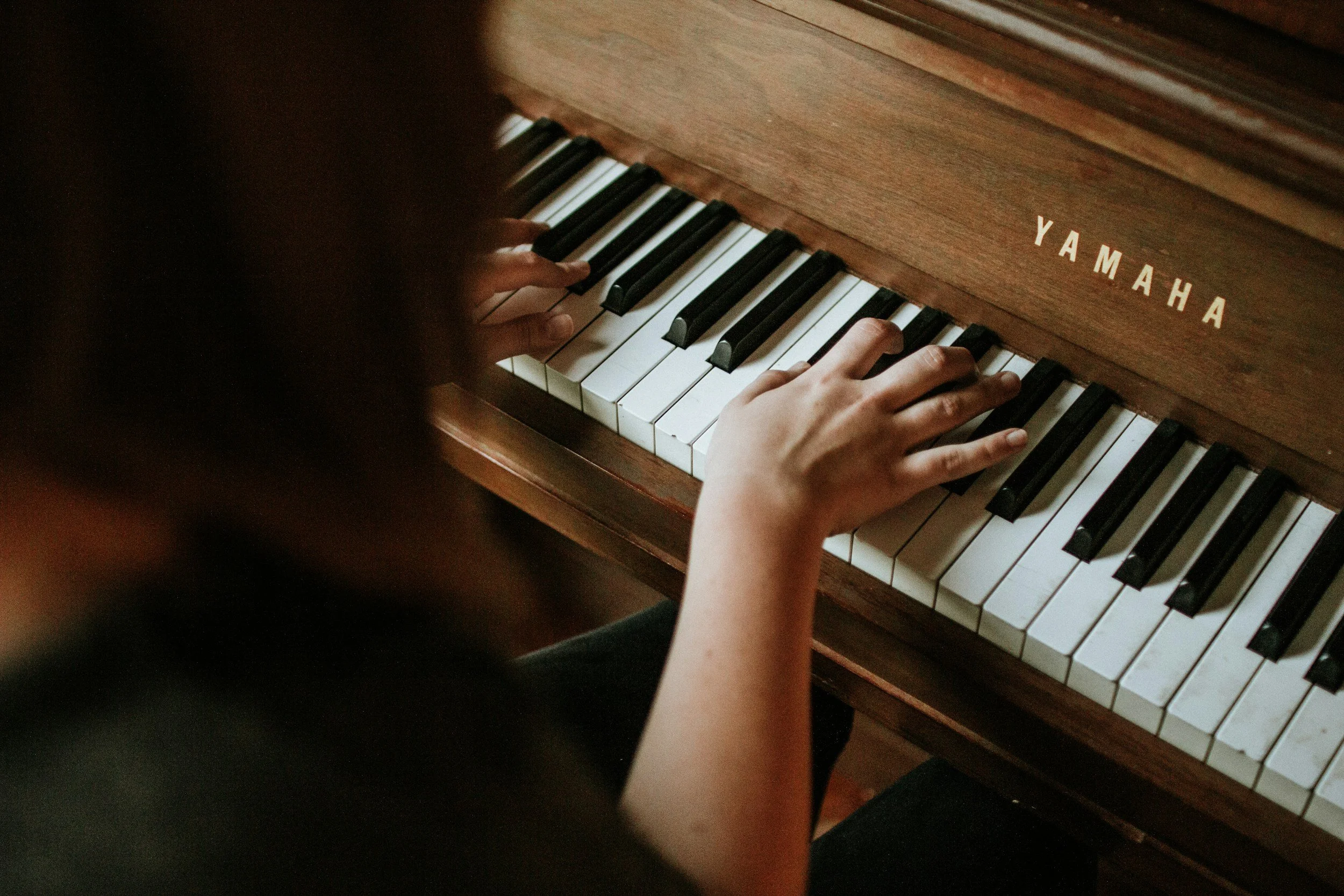
When my son started piano at age three, my first request to his teacher was: “I just want him to not dislike the piano.” That’s it. We aren’t necessarily trying to raise the next Mozart. We are giving them a refuge—a place of “slow growth.” You can’t swipe your way to a beautiful tone. They have to sit with the frustration, the “longing” for progress, and the discipline of waiting.
Physically, playing an instrument strengthens the part of the brain that holds and processes information. Because playing requires the eyes, ears, and hands to work together, it forces the two sides of the brain to communicate better. This helps with everything from problem-solving to emotional resilience.
As our children begin their musical journey, we should choose teachers wisely. A prestigious degree doesn’t always mean a great fit for our child. We should look for someone whose personality and philosophy align with ours. We can always ask for a trial lesson. We know our children best—we shouldn’t be afraid to switch teachers if the connection isn’t there.
We don’t need to be professional musicians to open this door. By introducing them to an instrument, we are giving them a grounded, tactile reality in an increasingly virtual world. We are helping them reclaim their focus, their patience, and their humanity. It’s a journey we take together—one note at a time. We’ve got this.