
Slow Learning as an Act of Resistance
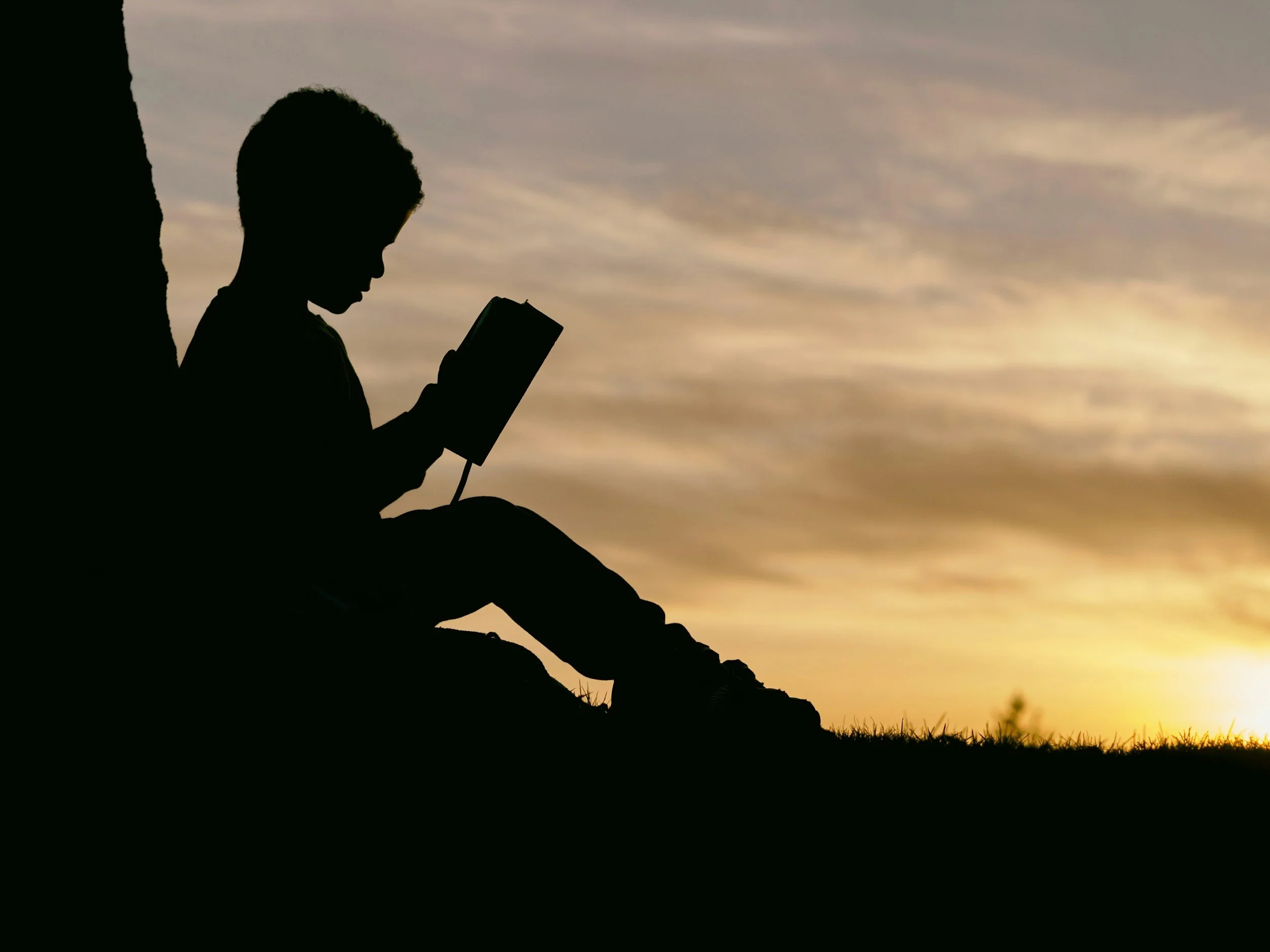
Real, lasting learning takes time.
In a world that prizes speed, efficiency, and visible results, this truth is easy to forget.
So... why do we put our children in music lessons at all? When music education lacks clarity and intention, it can easily drift away from its purpose. Practice begins to feel heavy, progress seems slow, and without immediate or visible results, both parents and children may start to wonder whether the effort is truly meaningful. But when music is approached with intention and care, it becomes something entirely different, a space where patience is cultivated, discipline is learned, and depth is formed over time.
We are raising children in an era defined by rapid technological advancement and artificial intelligence. It is natural to worry about the future-how much human work AI will replace, what kinds of jobs will remain, and what skills will truly matter. In such a time, our children must become more than efficient performers. They must become critical, creative, and deep thinkers, capable of developing a voice, a character, and an inner life that cannot be replicated by machines.
Yet while more is being demanded of them, the environment surrounding them often works against this goal. Screens, games, smartphones, and constant digital stimulation increasingly shape how children think, focus, and desire. Technology itself is not the enemy. Used wisely and intentionally, it can be deeply beneficial. But when placed in the hands of children who have not yet developed self-control, it often trains distraction instead of focus, impulse instead of discipline.
What troubles me most is how easily we accept this as inevitable.
Too often, the response from parents and educators (including myself!) is resignation: This is simply the world we live in. We quietly hope children will somehow grow into self-control, even as they spend their most formative years, the very season when mental and emotional muscles must be built, absorbed by screens.
But self-control does not emerge on its own. It is formed through structure, resistance, and sustained effort.
This conviction has reshaped my own role as a piano teacher over time, especially as I parent my own son. My work is no longer centered on how well a student can execute pieces for competitions. Strong results often come naturally when learning is slow and deep but they are no longer the goal.
Instead, I use music as a means to help students become thinkers.
That kind of learning takes time. It begins with cultivating intrinsic motivation and helping students understand why they play the way they do. It involves studying the composer and historical context, understanding musical structure and rhythm, and learning how physical movement shapes sound. It requires constant questioning, encouraging students to think, listen, and reflect.
Not every family wants this. Many hope -again, myself included :( -competitions will provide validation or serve as a resume booster for college. But when the formative years with an instrument are reduced to external outcomes alone, something essential is lost. The opportunity for real formation is missed.
When music is taught well, day by day, year by year, the student is not just learning how to play the piano. They are learning how to learn. They develop patience, attention, and the capacity to stay with difficulty. These qualities are formed quietly, long before progress becomes visible.
Of course, children who are accustomed to fast-paced digital stimulation often resist this kind of learning. That resistance is not a flaw to be eliminated, but a signal that sustained attention and inner discipline are still being formed. Music is not the only way to develop these capacities, and it is not the right path for every child-interests and callings differ. But whatever the discipline may be, this kind of learning must be practiced intentionally. When taught with care, music offers a particularly effective training ground: it demands patience, focus, embodied awareness, and thoughtful engagement over time. In that sense, music lessons become not just about music itself, but about learning how to stay with something long enough for real growth to occur.
This is why disciplines like music still matter. Perhaps now more than ever.
Not because every child must become a professional musician, but because music, when taught with integrity, trains patience, focus, perseverance, humility, and depth. It teaches children to sit with difficulty, to work slowly toward mastery, and to find meaning beyond instant gratification or external validation.
In a world that is constantly accelerating, slow learning becomes an act of resistance.
And it may be one of the most meaningful gifts we can offer our children.